


Several notable
individuals were born
in or lived in Aston
Abbotts. Of these,
perhaps the most
famous is James Clark Ross, Arctic explorer and discoverer of the
magnetic north pole.
Ross was born in Scotland in 1800. Schooled at Chislehurst Academy in
Kent, Ross left in 1812 to join his uncle's ship, the Briseis. By May 1831,
after several expeditions to the Arctic he had located the north magnetic
pole and reached the rank of commander.
In October 1839 Ross set of on a long and historic voyage of discovery.
Although the four years and five months expedition failed in its prime
aim - to reach the magnetic south pole - many discoveries were made,
including the Ross Sea and the Ross Ice Shelf.
Within six weeks of returning to England Ross married his sweetheart
Anne Coulman. Two years later in 1845 they moved to Aston Abbotts
where they lived in contentment, happiness and harmony until Anne's
death of pleural pneumonia in 1857 at the age of 40.
Ross was distraught. Despite attempts to shake off the despondency he
became reclusive and died in April 1862. He was buried in the
churchyard of St James The Great, Aston Abbotts alongside his beloved
wife Anne.
These days the tomb of James Clark Ross and Anne can still be seen in
the churchyard. St James’ east window bears the inscription "To the glory
of God and in memory of rear Admiral Sir James Clark Ross and of Anne
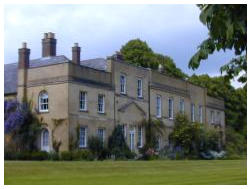
his wife. In the grounds of The Abbey there is a lake (known as The
Moat). In this lake are two islands, named Erebus and Terror, the names
of the two ships on Ross' 1839 Antarctic expedition.

The tomb of Sir James Clark Ross is pictured right.
If you are visiting Aston Abbotts and wish to see
the tomb then enter the churchyard via the gate,
walk up the path, pass to the left of the church
and you will find the tomb about 10 metres
directly behind the building.


- Photos
- Aston Abbotts - Winter Pictures
- Aston Abbotts How It Was
- Villagers Pictures - General
- Villagers Pictures - Ken Rhodie
- 630 Club Bean Competition 2011
- Astonbury X 2011 - Page 1
- Astonbury X 2011 - Page 2
- Astonbury X 2011 - Page 3
- Vic Scott Memorial Orchard
- Christmas Lunch 2011
- Peter Kent's Photographs
- Jubilee Picnic 2012
- Village Orchard - One Year On
- Village Orchard - Autum 2012 Planting
- Astonbury 2012
- Videos
- Interviews

